
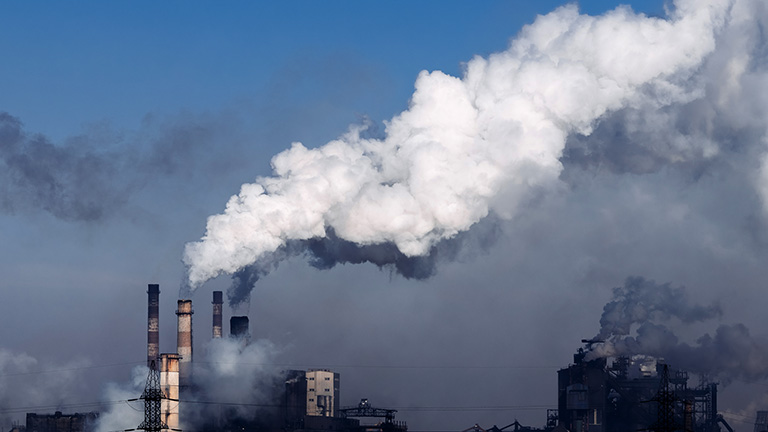
CCU is currently the most cost-effective strategy for carbon abatement and removal. Remediiate offers the first proven industry-scale commercial algal photosynthesis CCU solution to help you meet your environmental and societal targets.
Trying to tackle climate change and CO2 emissions requires a multi-strategy approach, including Carbon Dioxide Removal (CDR), Carbon Capture and Storage (CCS), and Carbon Capture and Utilisation (CCU).
For clarity, there are some important differences between the three approaches to carbon removal:
- CDR – This is widely considered to be the only way towards Net Negative (as opposed to Net Zero). CDR removes atmospheric CO2 directly from the air to reduce greenhouse gases using a range of strategies including Direct Air Capture (DAC), biochar, and enhanced weathering. CO2 is typically then stored in geological and oceanic sinks.
- CCS – CDR and CCS are often considered to be similar. However, while CCS also captures and stores CO2 geologically, it is targeted at capturing emissions from point sources such as factories, cement plants, and other heavy industries, rather than directly from the atmosphere.
- CCU – Uses a range of tactics to capture carbon at source points – again at factories in gas flues, and so on – but it then uses different techniques, such as mineral carbonisation, chemical conversion, and biological solutions such as algal photosynthesis, to convert carbon dioxide into commercially useful products such as biomass, animal feed, and building materials. As such, it creates a circular carbon economy and represents the most cost-efficient approach to carbon abatement and removal.
Carbon removal using CCU
There are two approaches to CCU – direct (not chemically altered) or indirect (transformed into commercial products). According to the International Energy Agency (IEA), CCU captures around 230 Mt of CO2 each year, mainly in direct use pathways, for example for agricultural products or enhanced oil recovery (~80 Mt). However, it notes that new uses include chemicals and building materials.
To be compatible with the NZE Scenario, all CO2 would need to come from air or biogenic sources, and these new use cases could reach the 2050 target by 2030. It also notes that CCU can contribute to carbon removal if CO2 sourced from the atmosphere or biomass and/or permanently locked into building materials.
Specialist consulting firm Towards Chem and Materials, forecast that the global market for CCU products, with algal photosynthesis gaining significant traction, will grow from $81.31 billion in 2025 to $527.01 billion by 2035 – a CAGR of 20.55%.
While many of these CCU tactics are immature, algal photosynthesis has reached commercial readiness, with Remediiate having launched the first commercially available CCU solution, which has been verified independently as scalable to heavy industry levels.
Remediiate offers the only TRL8-ready algal photosynthesis CCU solution on the market
We capture your emission at source – aligning with your operational processes – and use our proprietary algal photosynthesis solution to convert CO2 into carbohydrates and water (which can be purified and reused), and then convert them into commercially viable enriched offtake products, such as agricultural feed and building materials. Our cultivation rate and yield delivery are unprecedented.
It enables you to not only ensure compliance with carbon abatement and removal regulations and your own Net Zero objectives, but it also offers a commercially valuable source of additional revenue for multiple sectors.
Our solution is the only TRL8-ready platform that can deliver at the scale required for Scope 1 CO2 emissions and can be deployed alongside other options to mitigate risk, can investments, while enabling immediate investment in carbon removal technology.
Remediiate’s CCU solution enables emitters to meet their regulatory and societal obligations when it comes to carbon removal – and perfectly complements future CCS approaches, helping you to diversify your abatement strategies – but are deliverable today.
To find out more about how we can solve upstream problems while delivering downstream profits contact us today.